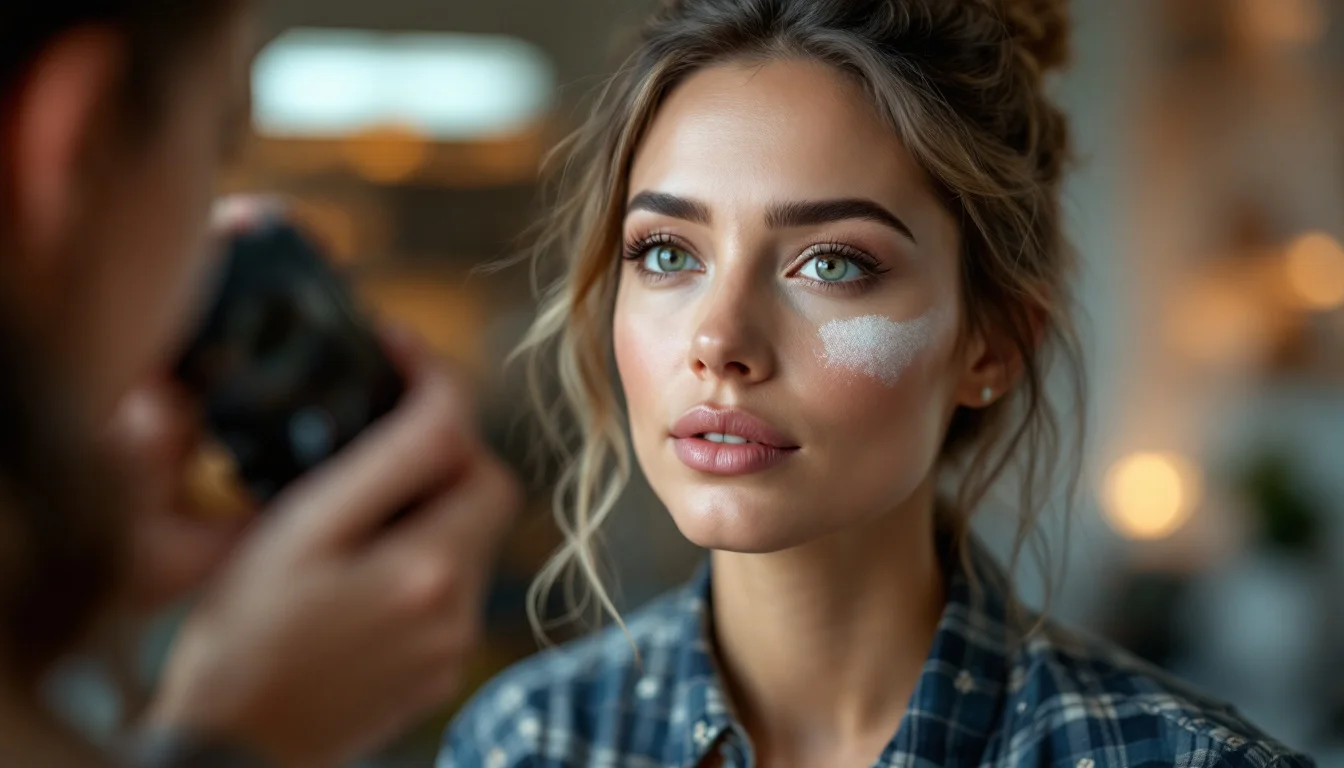
Stage Makeup: The Mistakes That Wash You Out

The moment the curtain rises marks a sharp physical break from everyday life. Under the focused beams of stage lights, the standard rules of beauty immediately fall apart. According to the specialized portal Brushstroke.co.uk (Theatre & Stage Makeup Careers), stage makeup is a profession in its own right. It is specifically designed to withstand distance and extremely powerful lighting, ensuring features remain visible to an audience up to a hundred feet away—all without the help of a camera to capture close-up details or the luxury of a second take if something goes wrong.
Faced with these theatrical constraints, performers must abandon the idea of traditional cosmetic touch-ups. Prepping your face for the stage requires an understanding of how artificial light can either sculpt or obliterate facial contours. It involves mastering products whose density, formulation, and pigmentation are engineered for maximum projection across space, guaranteeing that a performance remains readable from the front row to the very back of the house.
The Essentials
- Stage makeup requires compensating for the intensity of spotlights with a foundation that is darker and warmer in tone.
- Neutral and earthy shades are preferred to restructure facial features and mimic natural shadows.
- Layering (primer, foundation, and translucent powder) is essential to ensure long-lasting wear under hot stage lights.
- Stepping back from the dressing room mirror is a necessary test to ensure facial expressions are readable before stepping onto the stage.
Why Does Everyday Makeup Disappear Under Spotlights?
The Physics of Theatrical Lighting
The lighting environment in a theater or auditorium radically alters how facial volumes are perceived. According to the platform Inspirationsdancewear.com (Makeup Tips 10 Makeup Mistakes You Can Avoid), the intensity of the lights combined with the distance between performer and audience causes facial features to lose their natural dimension. Without the right technical intervention, these features completely flatten out if the applied makeup is insufficient. Artificial light, which often hits from the front or directly overhead, erases the natural shadows that typically define the bridge of the nose, the hollows of the cheeks, or the depth of the brow bone.Color Temperature Under Stage Lights
This loss of dimensionality goes hand-in-hand with a severe chromatic shift caused by artificial beams. Stage lights tend to wash actors out, explains theatrical supplier Mcramer.com (What is the best makeup to use in theatre?). To counteract this light absorption and saturation, it is best to choose a foundation that is darker and warmer in tone than what you would wear for everyday use. The backstage goal isn't to flawlessly match the performer's exact daylight skin tone, but rather to compensate for the power of the spotlights, which bleach the skin. This correction requires heavy-coverage, long-wear products to maintain a believable complexion throughout the performance.Ditching Everyday Color Palettes
Relying on everyday cosmetic habits on stage leads to visual washout. Eyeshadow, blush, and bronzer colors are too often chosen as if for a night out on the town. However, the height, depth, and lighting of a stage completely transform how pigments ultimately appear. Pastel or delicately shimmery eyeshadows melt into the glare until they completely disappear. To effectively structure the face for long distances, neutral and earthy tones work far better, as they mimic the face's actual cast shadows and legibly redefine its bone structure.Which Foundation Can Withstand the Stage?
The Architecture of a Stage Complexion
Skipping foundation in an effort to keep things light is a frequent structural mistake made in dressing rooms. Applying stage makeup without this preparatory layer results in a patchy complexion after just a few hours of performing. Without this base, the rest of the makeup (eyeshadows, liners, contours) inevitably slides off. Depending on performance conditions, this breakdown might require heavy touch-ups or an emergency reapplication between acts. Foundation acts as an essential grip layer that locks the entire visual design onto the performer's skin.Heavy-Duty Formulations
The constant heat generated by lighting rigs and the intense physical exertion of performing demand the use of specific cosmetic formulations. Highly pigmented, long-wear formulas, such as creams or "cake" makeup (compact textures), withstand sweat and constant movement throughout the show.The Layered Setting Method
Building a lasting complexion requires a precise, multi-step application protocol. A lightweight, water-resistant foundation creates a clean, matte surface—a prerequisite before defining any features. To guarantee this surface holds up against the lights, the process requires applying a primer first, followed by foundation, and then sealing it all with a finishing touch of translucent powder. This powder absorbs excess moisture, preventing the spotlights from creating unwanted shiny patches that would detract from the readability of facial expressions.How to Correct Brows, Lips, and Cheekbones Under the Lights
Stage makeup requires rigorous execution to ensure emotions translate from the stage to the auditorium. The analysis table below details the direct consequences of poor application under theatrical lighting and provides the appropriate technical fixes to apply in the dressing room.
| Facial Zone | Common Application Mistake | Visual Consequence Under Spotlights | Required Technical Fix |
|---|---|---|---|
| Eyebrows | Neglecting the brow bone or leaving hairs completely natural. | Gives the performer a blank, emotionless look on stage, making their expressions unreadable. | Choose a brow pencil, powder, or filler in a shade close to your natural hair color and follow the brow's natural shape. |
| Lips | Applying stage lipstick without anchoring it first. | The product won't "grip" the skin properly and can create a harsh "red clown" effect. | Always create a holding base by applying lip liner before lipstick; ensure the chosen red has a natural undertone. |
| Cheekbones | Applying blush in a harsh line or misjudging the pigment amount. | An excess (or hard line) creates an unflattering look; too little renders the contours invisible on stage. | Adjust the amount to blend the edges out seamlessly while highlighting the area enough to define facial volume. |
The balance of these elements dictates the performer's overall visual cohesion. A zone left natural or poorly defined will throw off the face's entire proportions when swept by a follow spot.