How to Test Your Makeup’s Longevity Before Opening Night: The Backstage Protocol
Stage makeup is currently undergoing a shift in its technical requirements. Historically focused on immediate visual intensity, the stage performance industry is now rethinking its approach to extreme wear.
This evolution means that amateur mirror tests are no longer enough for professionals. The structural stability of an eyeshadow or foundation under the spotlight is now taught with rigorous precision. For instance, makeup academies offer specialized training for those looking to perfect their stage makeup skills for theater, opera, or ballet. The explicit goal of these courses is to construct makeup that is "effective, stable, and appropriate." Achieving this level of stability requires adopting an almost scientific evaluation methodology to optimize performance under the extreme constraints of a live show.
Key Takeaways
- The primacy of systems: Testing a beauty product in isolation has its limits; evaluation now focuses on the complete interaction between skin prep, primer, pigments, and setting spray.
- Borrowing from scientific methods: One approach involves adapting European skin evaluation protocols (control zones, occlusive simulations) to verify the aesthetic endurance of makeup.
- A rigorous workspace: A sanitized, standardized makeup station is an absolute prerequisite to prevent any contamination that could skew the results of a longevity test.
The Limits of Everyday Environments vs. "Predictable Conditions" on Stage
The cosmetics industry guarantees that a product placed on the market must not harm human health when applied under normal or reasonably predictable conditions of use, but this does not always guarantee aesthetic endurance during a performance.
Defining predictability in performance
For the average consumer, "reasonably predictable conditions" imply slight temperature variations or moderate sweating. For a stage performer, predictability encompasses the intense heat of spotlights, extreme perspiration, the constant friction of costumes, and prolonged wear with no opportunity for touch-ups. While the toxicological safety validated by labs certifies that a product is safe, it doesn't necessarily guarantee its stability under the physical stress of an opera or a ballet.
From ingredients to complex systems
This need for real-world technical evaluation is transforming product selection. Systems now matter more than "hero" ingredients. In this new approach, delivery, timing, texture, and formula suitability carry just as much weight as the active ingredients themselves.
An ultra-mattifying foundation applied on its own will often fail if it isn't tested as part of its complete system: its interaction with the preparatory skincare, the primer's grip, and the setting spray's resilience. Performers therefore stand to gain by evaluating this entire application chain before showtime.
The Lab-Inspired Protocol: How to Structure Your Longevity Test
To assess the reliability of stage makeup, you can adopt a protocol inspired by the skin compatibility testing of finished cosmetic products, repurposed to evaluate aesthetic performance.
1. Defining the variable
A test without a clear objective yields no usable data. The design of a testing protocol depends on the specific question being asked; in each case, the reasoning and scientific context of the test must be clearly defined. On stage, the main disruptive element must be isolated. The question might be: "Does this cream eyeshadow crease under humidity?" or "Does this powder oxidize when exposed to heat?"
2. Preconditioning the area
The success of any makeup application is deeply tied to skin prep. It is worth noting that human skin can be preconditioned by various physical and chemical factors before being exposed to a cosmetic product. In a stage context, this preconditioning corresponds to the skincare routine and gripping primers applied before the pigments. The test must scrupulously include this step to ensure that the moisturizer used won't subsequently compromise the makeup's longevity.
3. Establishing a control zone
To determine whether degradation is due to the product itself or to environmental conditions, a point of comparison is necessary. In skin evaluation, the measured reaction is never an absolute metric: it must be linked to appropriate controls that define the response range.
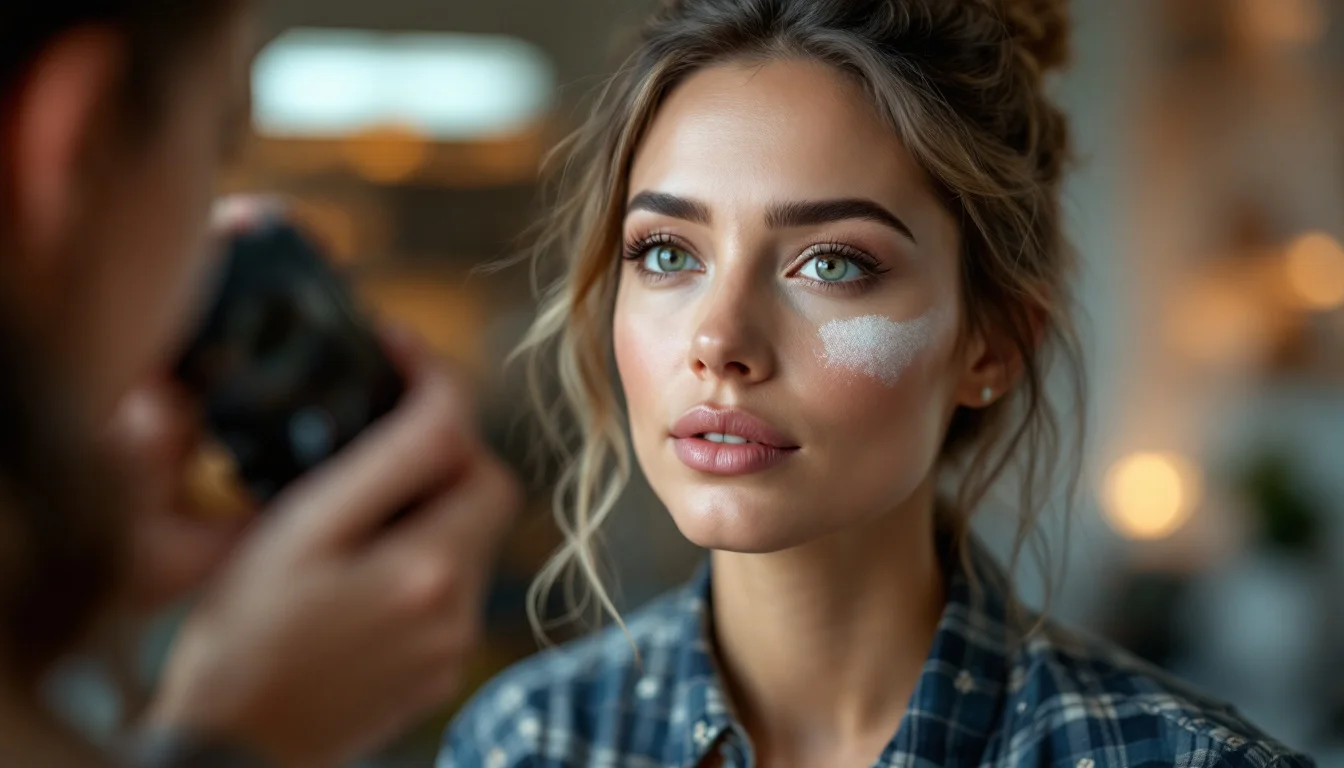
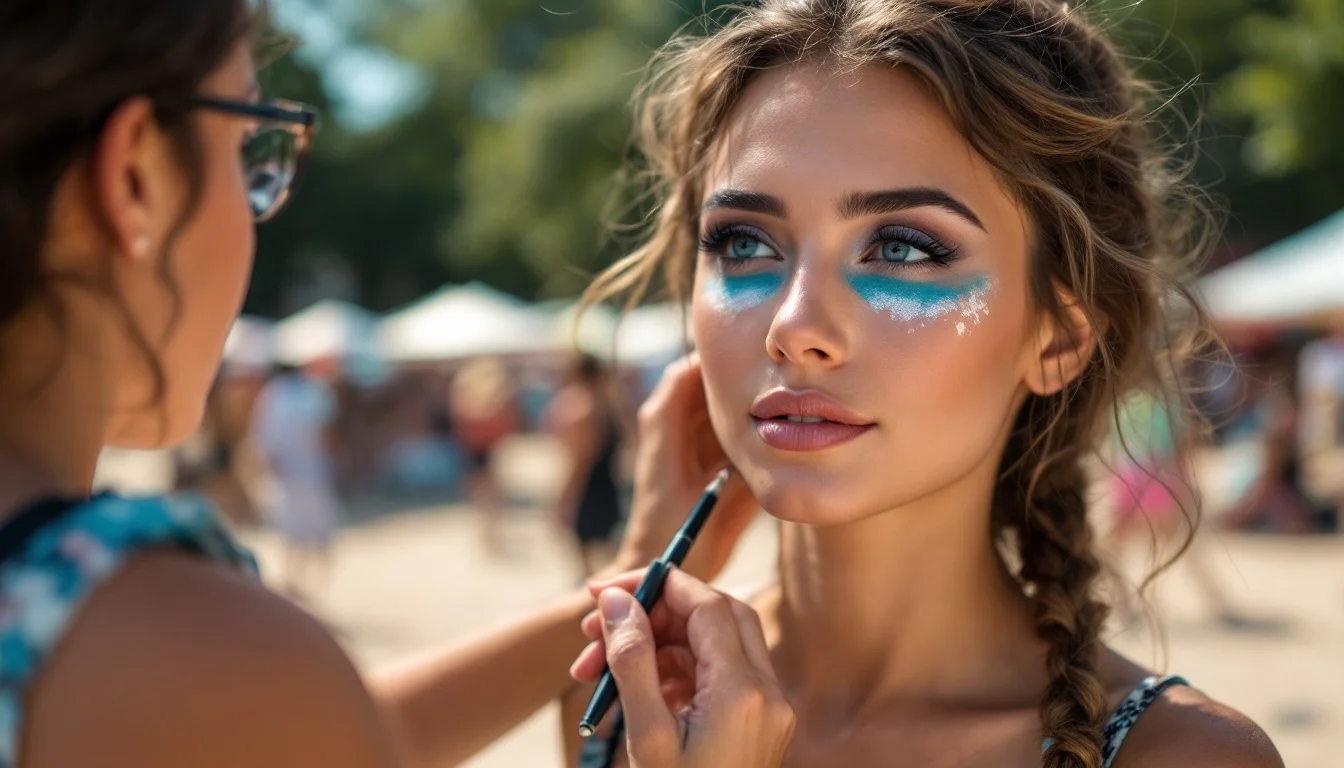
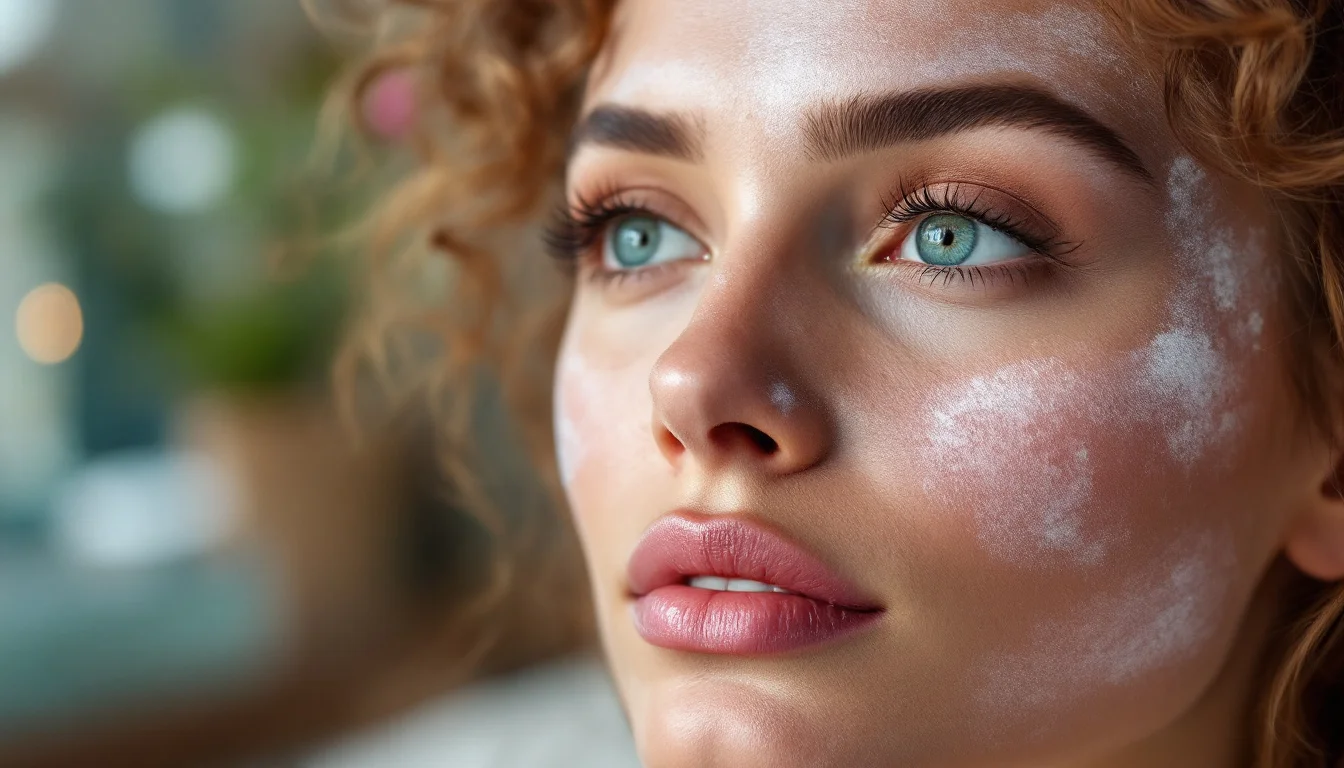
Translated to makeup, this rule gives rise to the "half-face" test. The makeup artist applies the complete system to the right cheek (the test zone) and a baseline formula with known limits to the left cheek (the control zone). This establishes the aesthetic response range when exposed to sweat.
4. Simulating wear constraints
A passive trial in the dressing room simply isn't enough. The tests most frequently used on finished cosmetic products include various occlusive or open methods developed to simulate intended usage situations.
For the performer, "simulating wear" means wearing the makeup during the final dress rehearsal in full costume (occlusive simulation via clothing) and under the lights (open use with thermal exposure). This full-scale stress test validates the cohesive integrity of the product.
Reading the Results: From a Trained Eye to Micro-Degradations
Once the physical simulation is over, the crucial next step is interpreting the state of the makeup. This reading requires meticulous attention from the professional.
Professional visual evaluation
The initial inspection relies on the makeup artist's eye. Visual evaluation is subjective, but highly reliable results can be achieved with trained evaluators. An experienced artist will know how to differentiate the natural wear of living skin from a structural breakdown of the formula. They will assess the evenness of the complexion, the residual vibrancy of the pigments, and the absence of harsh lines caused by sweat.
Tracking subclinical signs
The industry is moving toward an increasing objectification of performance. Non-invasive bioengineering techniques can be applied in evaluation to quantify and objectify results, measure subclinical symptoms, and gather supplementary data.
In the realm of aesthetic performance, these "subclinical symptoms" refer to micro-degradations that are invisible to the naked eye from three feet away, yet threaten overall stability within the following hour. This includes:
- The micro-migration of cream pigments into fine lines.
- The initial phase separation (water/oil) of the foundation on areas of facial tension.
- Incipient oxidation altering the colorimetry.
Safeguarding the Testing Station: Backstage Rules
The methodological rigor of an evaluation protocol is worthless unless the testing environment is beyond reproach. Indeed, a contaminated station introduces an interfering variable that invalidates the wear-test reading: the product won't fail because of physical exertion, but rather due to bacterial or chemical decomposition stemming from the equipment.
Specialized schools therefore enforce non-negotiable sanitation standards. For hygiene reasons, for instance, they require each participant to bring their own personal equipment. This requirement underscores the fundamental pillars of a proper testing station:
- Single use: Ensuring that no old adhesive or residue will compromise adhesion to the skin.
- Systematic sanitization: Disinfecting spatulas, palettes, and brushes with an appropriate alcohol (ethanol or isopropyl alcohol between 70% and 90%, depending on the material's tolerance), ensuring the tested formula remains chemically pure and intact.
- Physical barriers: Preventing the cross-transfer of residual powders or solvents from the dressing room tables into the products being evaluated.
Limitations of the Method and Frequently Asked Questions (FAQ)
This type of rigorous protocol requires a significant time investment during dress rehearsals. Furthermore, it must account for individual variability: each artist's specific skin pH and perspiration levels can alter the results from one performer to another.
Can I perform a wear test on my own hand to validate it for a performer's face?
This approach is ineffective. An evaluation must utilize an appropriate control zone and correspond to the intended usage conditions. The skin on a hand has neither the same perspiration rate nor the same texture as a face in the midst of heavy stage exertion, thereby skewing any visual assessment of longevity.Conclusion: When Method Becomes the New Performance
The anxiety of a product melting under a hot spotlight can be mitigated by adequate preparation. By replacing simple mirror checks with a protocol that includes control zones and intense wear simulations, technical prep becomes far more reliable. Knowing their makeup will hold up gives artists greater freedom, allowing them to fully surrender to their on-stage performance.