Stage Looks for DJ Sets: When Image Matters as Much as Sound

The role of the DJ has evolved significantly over the past decade. No longer relegated to a dark booth in the background, the artist is now often the visual center of attention at major musical gatherings. In the thick of festival season, electronic performers face grueling physical conditions. Beneath a canopy of sweltering spotlights, facing tens of thousands of spectators, stage aesthetics lose their status as mere vanity. They become a genuine technical challenge.
Maintaining a striking image throughout a continuous hour-and-a-half performance requires far more than a standard beauty routine. Makeup and body prep now resemble a masterclass in thermal endurance. The goal is to design a look capable of surviving sweat, shifting weather conditions, and harsh artificial lighting, all while preserving the artist's visual identity from the first minute of the set to the last.
Key Takeaways
- Thermal Preparation: Sweat resistance is now a full-fledged cosmetic category, essential for high-intensity sets.
- Texture Optimization: Depending on the formulation, gels and liquid products often hold up better under hot spotlights than traditional powders, though performance varies by product.
- Total Moisture Management: Aesthetic upkeep extends beyond the face, incorporating practical solutions to protect stage clothing.
- Prep Tools: Borrowing from the fashion industry, professionals sometimes use digital tools like face charts to coordinate and faithfully reproduce specific looks throughout summer events.
Why Does a DJ's Image Require a Technical Approach?
The physical reality of a modern DJ set demands a complete overhaul of the cosmetic routine. Mixing electronic music, particularly in rhythmic and percussive genres, is a physically taxing performance that puts the body through its paces.
What Are the Constraints of Belgian Festivals?
The event environment dictates the constraints. The Belgian festival Couleur Café, for instance, showcases numerous artists on its Tarmac Stage. Electronic music sets, which frequently blend rhythms like dembow, shatta, or dancehall, demand perpetual movement and massive energy expenditure behind the decks. This high physical intensity inevitably leads to a spike in body temperature and heavy sweating.
What Is the Impact of Nighttime Scheduling?
Compounding this physical strain is the challenge of lighting. On Couleur Café's Tarmac Stage, set times are strategically scheduled for the late afternoon and evening—typically from 7:00 PM to 9:00 PM, and then from 9:00 PM to 10:30 PM. As daylight fades, powerful LED rigs and directional strobes take over. Makeup can no longer just enhance features; it must interact with harsh, shifting lights without ever looking dull or melting away from the heat.
How Is the Cosmetics Industry Responding?
The beauty industry has recognized this need for extreme resilience. In fact, many cosmetic brands now dedicate entire lines to sweat-resistant makeup. This shift proves that managing moisture and heat is no longer just a niche requirement. For a touring DJ, tapping into this technical arsenal becomes a prep stage just as crucial as curating their tracklist.
Which Facial Techniques Work Best Under the Spotlights?
On stage, the artist's face is constantly captured by cameras, broadcast on giant screens, and scrutinized by the crowd. The survival of this image relies on precise textural choices, prioritizing formulas designed to withstand sweat and movement.
Why Opt for Liquid and Gel Textures?
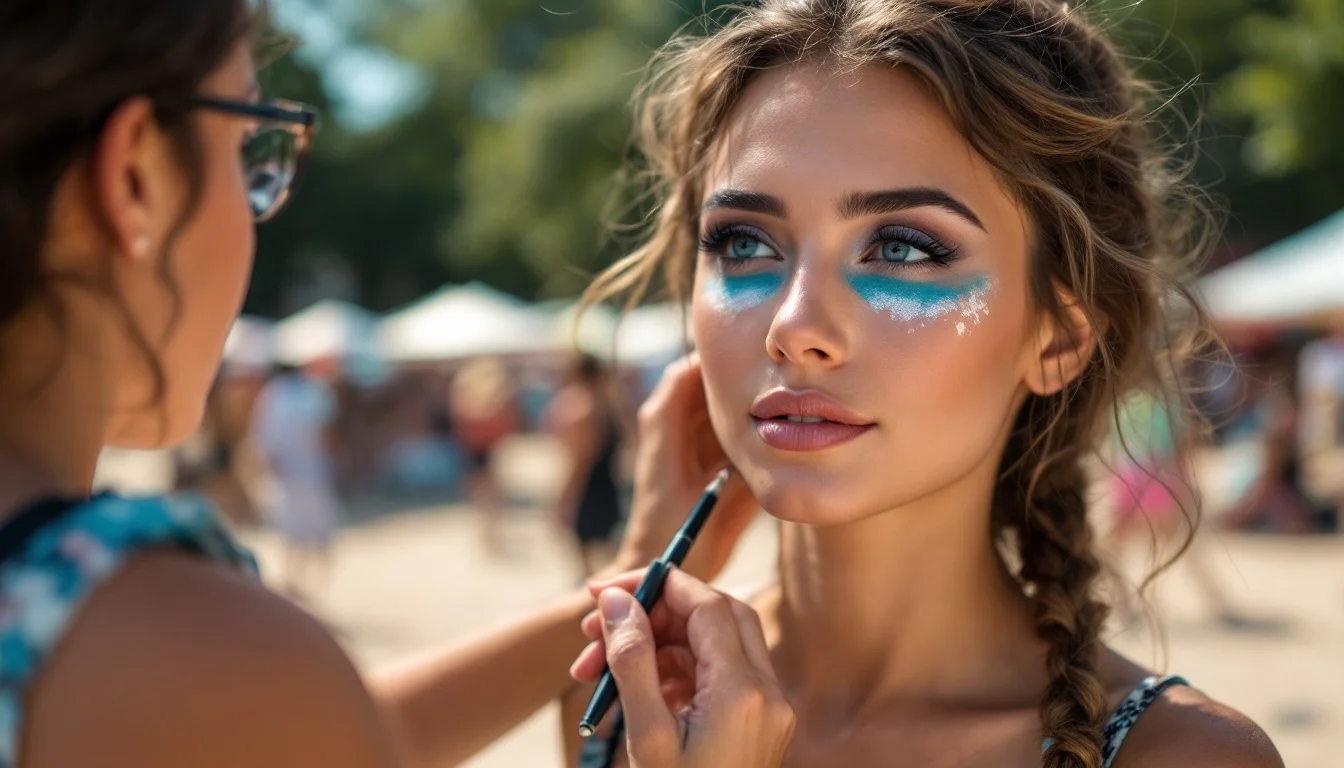
According to Marie Claire Belgium, the market is full of waterproof makeup formulas created specifically for festivals, engineered to endure weather conditions and non-stop movement. Stage innovation often lies in repurposing products. Chromaline gel liners, famous for their intense color payoff, can double as eyeshadows for bold looks. Their technical advantage is unparalleled staying power, even after a heavy day of dancing. Unlike traditional powders, which can mix with sebum and crease over time, a carefully chosen gel formula adheres better, keeping the pigment locked in place.
How Do You Catch the Spotlight?
The nighttime visual dimension demands bold choices. In the realm of stage makeup, professionals note that bold lips and cut-crease techniques are strong options that make a real visual statement. To amplify this impact under stage beams, specific products like Liquid Eye Glitter and Liquid Diamonds are used to turn up the intensity. These liquid formulas reflect artificial light spectacularly, granting the face an almost sculptural dimension in the dark.
How Should These Technical Solutions Be Structured?
To organize this approach, the following table summarizes the defense mechanisms used against the elements.
| Technical Solution | Target Area | Mechanism of Action | Benefit for the Performing DJ |
|---|---|---|---|
| Chromaline gel liners | Eyes and eyelids | Swaps out powder for a gel with superior hold | Maintains intense colors despite heat and sweat |
| Setting spray | Entire face | Leaves an invisible film that seals cosmetic layers | Helps prolong the wear of the look throughout the entire set |
Setting spray acts as the final lockdown. This product minimizes cosmetic degradation, a highly useful trait during long back-to-back sets.
How Can Body Sweat Be Managed Discreetly?
Stage aesthetics don't stop at the jawline. DJs are meticulous about their wardrobes, frequently sporting designer pieces or custom-tailored tech wear. Under the intense heat of the lights and the physical exertion of mixing, preserving these garments becomes a major challenge. Consequently, body sweat management is treated with strict rigor.
What Protective Gear Is Essential Backstage?
To prevent moisture from ruining the performer's overall silhouette, highly specific material solutions are deployed backstage. Specialty brands offer underarm patches made from various absorbent materials. These devices, designed to be discreet and comfortable, are placed directly inside clothing. They act as absorbent shields that prevent sweat from staining the outer fabrics, ensuring a polished appearance for the crowd.
How Do You Optimize Chemical Regulation?
Alongside this physical barrier, regulating sweat at the source remains crucial. An antiperspirant deodorant helps protect against sweat and odor while keeping the skin feeling fresh and comfortable. The combination of these two methods—antiperspirant blockage and mechanical absorption—ensures the artist maintains a flawless look, regardless of thermal stress. However, heavy use of antiperspirants and wearing occlusive clothing under stage lights requires caution; they can trigger skin sensitivities in some performers if the skin isn't properly cleansed and soothed afterward.
How Do Digital Tools Aid in Preparation?
The longevity of a stage look is often mapped out well before the artist steps onto the podium. For musicians locked into intense summer tours, bouncing from one festival to the next, maintaining a consistent brand image is vital.
What Is the Digitalization of Beauty Design?
Historically drawn on paper, makeup charts have evolved. According to numerous industry experts, digital face charts—the electronic version of these templates depicting stylized faces—now offer much greater flexibility when designing precise looks. Using tablets, teams can test color combinations, map the exact placement of a highlighter or gel liner, and adjust the intensity of virtual shadows before a single brush ever touches the skin.
Why Is This Coordination Useful on Tour?
This methodology truly shines during continuous travel. Professionals note that these digital face charts are deemed especially useful for large-scale projects, such as fashion shows or film productions, where seamless coordination between teams is essential.
Applied by analogy to the world of electronic music, this approach allows the DJ to send a visual brief ahead to the local makeup artists provided by festival organizers. The digital file ensures that makeup placement and product application faithfully adhere to the artistic direction established at the start of the season.
Frequently Asked Questions (FAQ): The Aesthetic Challenges of DJing
How do you effectively remove makeup designed for extreme resistance?
Waterproof cosmetics and gels generally require the use of biphasic or oil-based makeup removers. These formulas are highly effective at dissolving fixing agents without requiring excessive rubbing, which could irritate the skin after a strenuous stage performance.Is it possible to adjust your look if you're playing two sets on the same day?
Rather than removing everything, the trick is smart layering. A lighter afternoon look serves as the base. As night falls, adding highly reflective elements transforms the appearance to suit artificial lighting without having to start from scratch.What are the dermatological risks associated with stage makeup?
Prolonged wear of occlusive cosmetics and powerful antiperspirants, combined with intense heat and continuous sweating, can lead to skin sensitivity or clogged pores. It is crucial to pair these practices with a gentle cleansing and soothing hydration routine after every performance.Conclusion: The Electronic Artist as a Visual Performer
The contemporary DJ navigates the intersection of musical performance and visual embodiment. Faced with blinding spotlights and the physical intensity of a demanding set, stage cosmetics go far beyond mere appearance to become a tool for professional resilience. By mastering advanced fixing technologies, these musicians ensure their image holds up just as brilliantly as their tracklist.