Stage Makeup and Hairstyling for Acoustic Setups
Key Takeaways
- The aesthetic for intimate concerts draws on red-carpet codes rather than operatic traditions.
- Complexion and eye makeup require sheer layers and soft definition to hold up to the audience's close proximity.
- Preparation must account for the venue's unpredictable lighting and the artist's kinetic movement on stage.
Faced with the paradox of an intimate stage, the aesthetic approach must be reimagined. According to the Belgian agency More Than A Face, the palette embraced by beauty professionals ranges from a natural appearance to an unapologetically dramatic look, constantly seeking an equilibrium between elegance, glamour, and perfection. For an intimate set, this balance tips toward imperceptible perfection. It is no longer about painting a face so it can be read from afar, but structuring it to withstand extreme close-ups, where heavy textures would only shatter the illusion of the performance.
The "Red-Carpet" Aesthetic: The New Standard for Acoustic Live Shows
To tackle the challenge of a smaller venue, professionals are tossing out theatrical playbooks and adopting the codes of event photography. The gold standard is no longer the opera house, but the red carpet.
The Demands of High Resolution
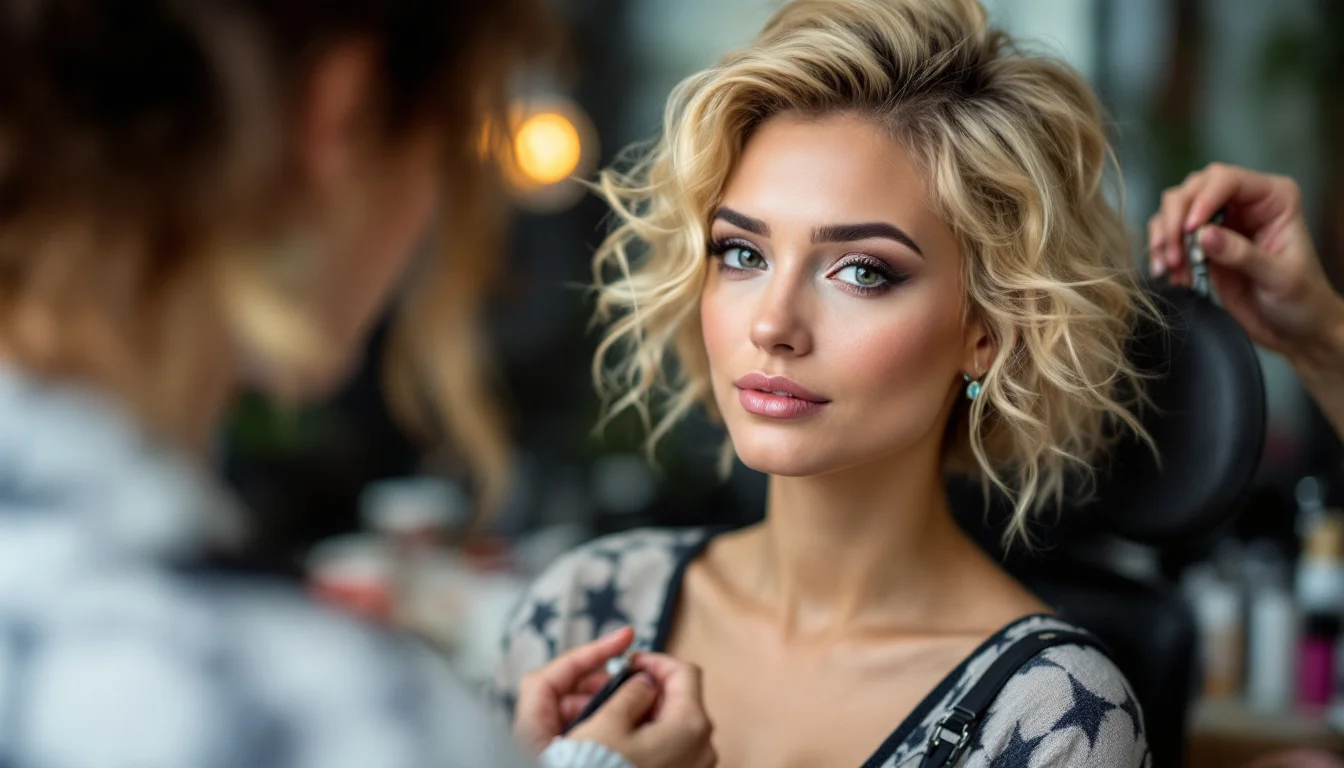
The Brussels-based directory TrueWedStory (Top Bridal Hair & Makeup Artists in Brussels for Red Carpet Looks), which specializes in event beauty, emphasizes that a "red-carpet" look isn't necessarily dramatic—it is, above all, intentional. The goal is to achieve skin that looks smooth in high resolution, eyes that are defined without appearing harsh, and hair that looks luxurious from every angle. This intentionality aligns perfectly with the needs of an artist playing an acoustic gig, whose image will be captured by dozens of smartphones filming in high definition.
The Five Pillars of Photogenic Makeup
Translating these codes to the music stage relies on a precise architecture. Experts identify five key traits that define a look that translates optimally on camera:
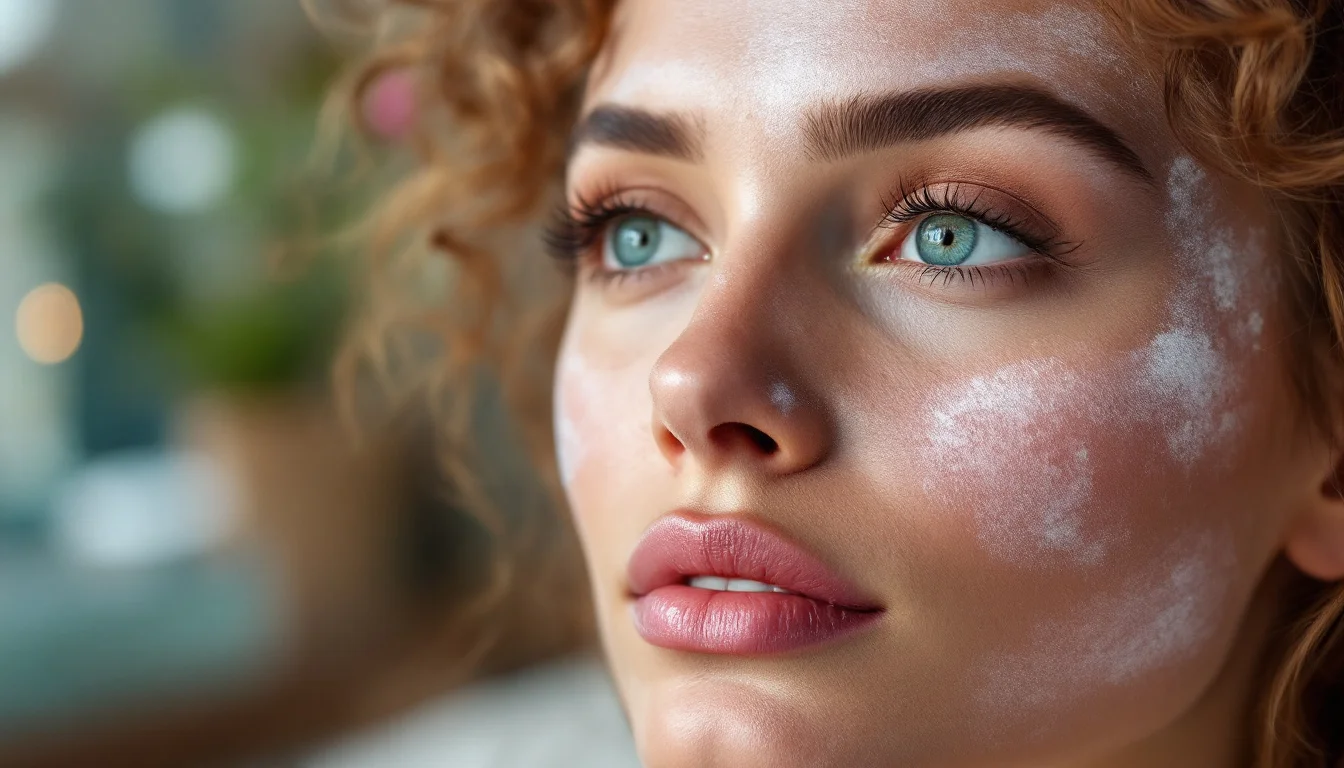
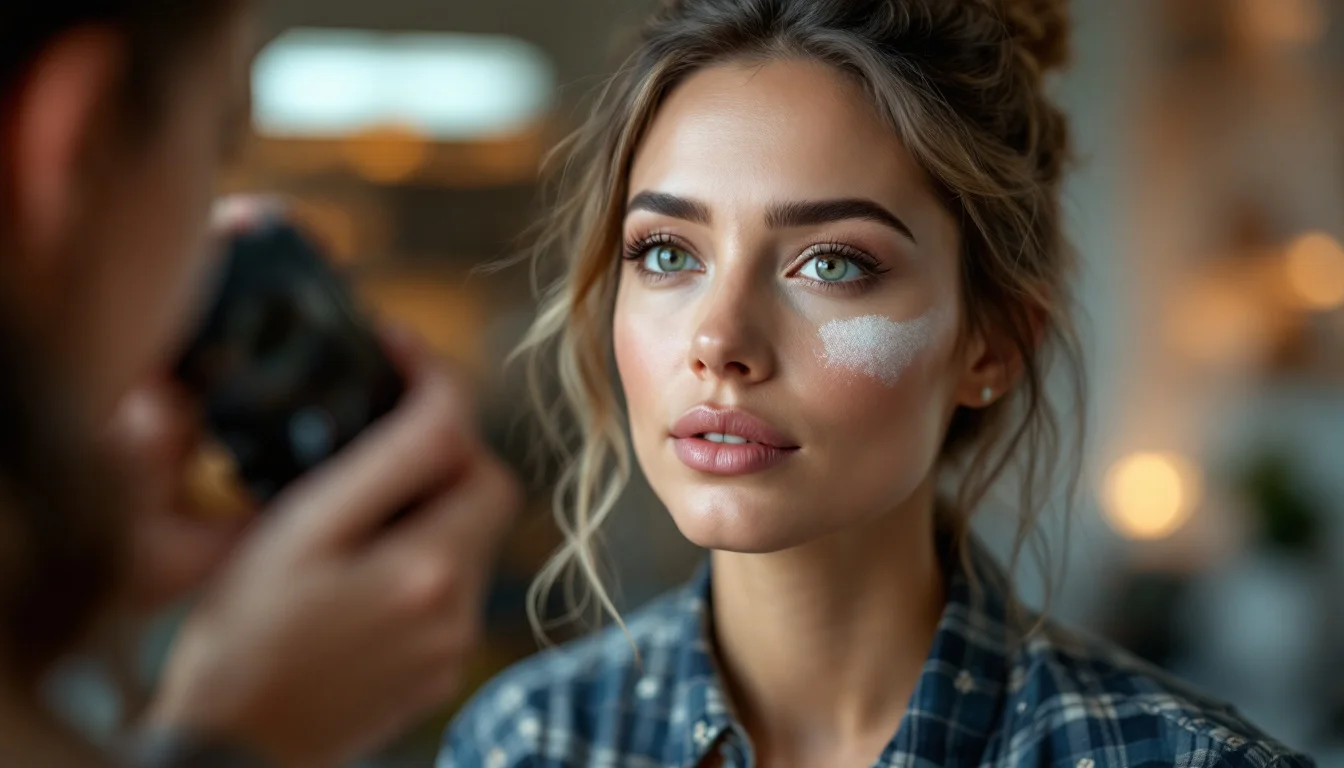
- Skin First: Application must be done in ultra-sheer layers. Glow (luminous shine) should be placed strategically, and the products used must not reflect flash photography (the powdery "flashback" effect).
- Soft Definition: Lashes and eyeliner structure the eyes, opening them up without weighing them down, avoiding severe graphic lines.
- Longevity: The ability of the products to remain intact throughout the entire event.
- Movement: Hair that retains its natural dynamic flow.
- Consistency: Maintaining the look from prep time until the final bow, even if the schedule shifts.
Why Classic Theatrical Techniques Fail in Smaller Venues
Traditional stage makeup training relies on compensation: you have to counter the flattening of features caused by follow spots and vast viewing distances. Applying these methods in a jazz club or a black-box theater can prove visually jarring.
The Weight of Stage Tradition
To address this need for compensation, the discipline traditionally focuses on the basics: creating a flawless complexion through colorimetry, finding the exact skin tone match, and correcting minor irregularities. For instance, organizations that offer introductory courses, such as the Pont-à-Celles Cultural Center (CCPAC), rely on these methods. This theatrical complexion work often involves thick, full-coverage materials (greasepaint, dense foundation sticks) designed to withstand melting under hot lights and remain legible from afar.
The classic approach also dictates that stage makeup explicitly aims to "make the eyes look even more alive on stage." This expressiveness, intended to bridge the distance to the audience, involves artificially enlarging the eyes and utilizing stark contrasts.
The Masking Method and Its Limits
The most glaring example of this mismatch is eyebrow management. Theatrical tradition teaches the "brow blocking" method, which involves completely concealing the eyebrows to redraw them according to the desired look. In an acoustic setting, however, the waxy texture and penciled lines on smooth skin are glaringly obvious to the audience.
That being said, a little nuance is required: bold theatrical makeup remains entirely relevant if the artist wants to embody a specific persona, or if the constraints of a professional video shoot demand more pronounced contrasts.
Comparison Chart | Theater vs. Acoustic
| Technical Criteria | Theatrical Tradition (Large Stage) | Acoustic Approach ("Red-Carpet") |
|---|---|---|
| Eye Makeup | Enlargement, harsh contrasts | Soft definition, wispy lashes, blending |
| Complexion Coverage | Thick greasepaint, full correction | Sheer layers, transparency, targeted application |
| Eyebrow Management | Concealment ("brow blocking") | Setting natural brow hair, light filling |
How to Tame Mixed Lighting in Small Venues
Small concert venues present an unstable colorimetric environment. Unlike large, enclosed stages where a lighting designer controls every light source, an acoustic set often takes place in hybrid spaces: small LED spots, ambient mood lamps, or even early evening daylight filtering through windows.
The Colorimetric Impact of Light Sources
This clash of light sources is a challenge for complexion products. Mixed indoor lighting (blending warm tungsten with window light, for instance) can significantly shift shades. Under the glow of a warm bulb, a foundation with too much pink can veer into orange territory, while natural light will expose harsh jawline demarcations. Matching the foundation and strategically placing blush thus become crucial factors in maintaining a believable skin tone throughout the performance.
Body Consistency and Heat Management
Beyond managing sweat and keeping the T-zone matte to prevent glare on digital sensors, aesthetics shouldn't stop at the face. Immersing the audience in the artist's world requires attention to bodily details. Blending down the neck and décolletage is a critical photographic detail in its own right, especially if the performer is wearing a strapless outfit or baring their shoulders. Ignoring this area risks creating a disjointed color block, making the face look detached from the body under the glare of auxiliary spotlights.
Hair and Lips Under Live Conditions
An acoustic performance, even if seated or intimate, involves demanding biomechanics. Musicians handle their instruments, singers interact with mic stands, and heads are constantly moving to catch the audience's gaze. Styling needs to anticipate this kinetic energy.
Anchoring Hair for an Energetic Set
A stiff hairstyle betrays the effort behind it and ruins the organic feel of an unplugged gig. The goal is to achieve hair that looks touchable and avoids excessive hairspray, all while remaining firmly in place.
The structure of this hold is crucial. The hairline and the part determine how well the style holds up to forehead sweat, sudden neck movements, and the friction of a guitar strap. A solid anchor at the roots frees up the lengths, offering a visual dynamic that moves with the rhythm of the music without constantly falling into the performer's face.
Textural Endurance
The durability of a stage look relies on prepping the skin and hair with the venue's humidity in mind, using the right setting products, and having a solid backstage touch-up strategy.
When it comes to the lips, product choice is highly strategic. The equation is tricky for a vocalist, who must balance a long night with repeated physical contact (lips brushing against the metal mic grille). It is better to choose a formula that's easy to reapply rather than an ultra-matte liquid lipstick that will flake off song after song. A flexible texture allows the artist or their team to refresh the look in seconds between sets, ensuring continuous sharpness.
Frequently Asked Questions: Preparation and Handling the Unexpected
Should I powder my entire face to combat the heat of the spotlights?
No, loose powder should be used sparingly. Completely mattifying the face flattens its natural contours and freezes expressions. It is much better to powder only the center of the face, the sides of the nose, and the middle of the forehead, pressing the product in with a small powder puff. This keeps a healthy glow on the cheekbones while mattifying the areas most prone to sweat.How can I test for flash reflection before going on stage?
To ensure your products don't bounce back the white light of smartphone cameras ("flashback"), the lifesaver is taking a photo of the artist backstage in the dark with the flash turned on. This lets you check how the layers of makeup react before facing the audience. Mineral filters like zinc oxide or titanium dioxide are particularly prone to causing this effect. While the latter is becoming less common in loose powders, it’s still wise to check every single product formulation.What hair strategy works best in a humid, unairconditioned club?
Flat-ironed lengths tend to swell and frizz as soon as the humidity spikes in a stuffy room. The solution is to seal the hair cuticles with an anti-humidity treatment or spray during the initial blowout, rather than trying to tame the strands with sticky hairspray once you're at the venue.Conclusion: Vulnerability is a Discipline
Performing an acoustic concert reveals a counterintuitive technical truth: designing a beauty look for a 50-person crowd is highly complex. By adopting the photographic and textural codes of the red carpet, the artist transforms close-quarters vulnerability into a major stage asset. Makeup and hair no longer act as a shield or a theatrical uniform. Instead, they become tools of intimacy, capable of supporting the emotion of a vocal and the precision of a movement without ever throwing up an artificial barrier between the stage and the front row.