How to Create a Stage Smoky Eye That Lasts
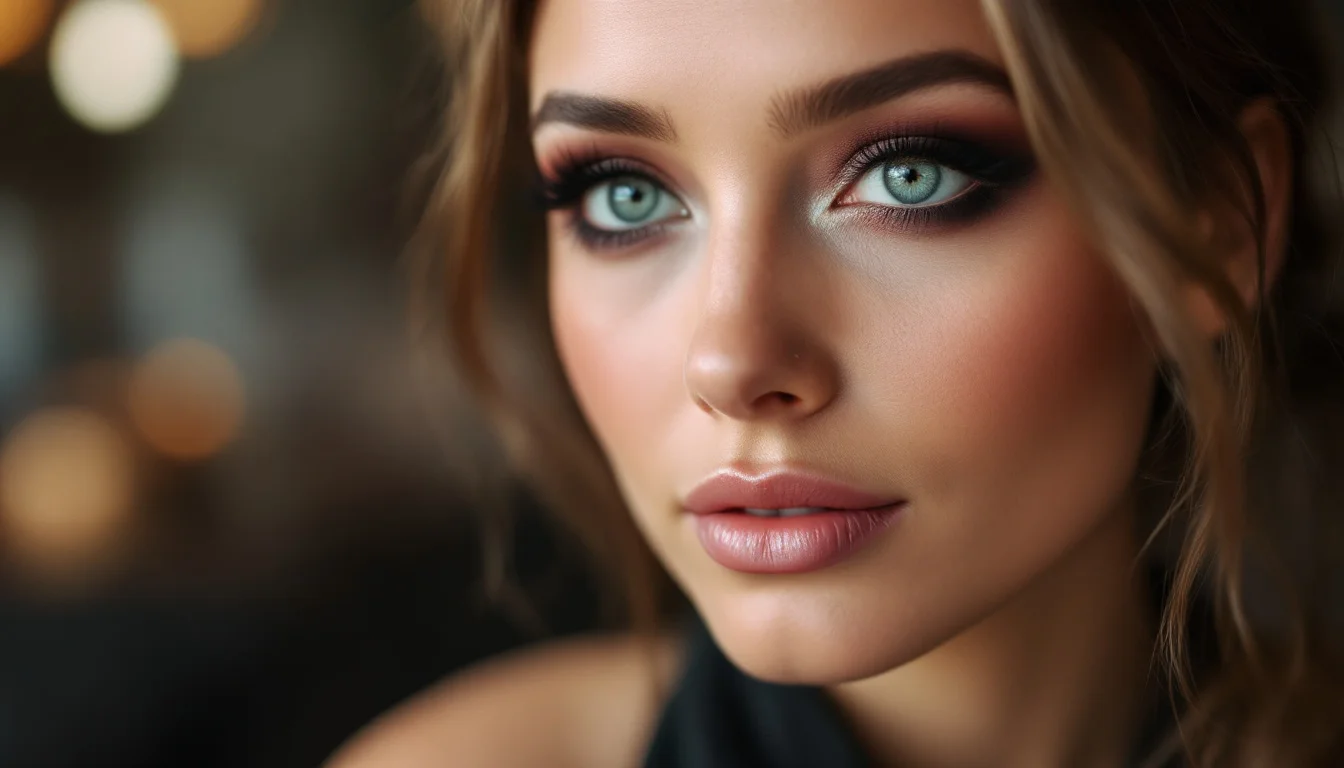
The stage is a hostile thermal environment for any cosmetic product. Under the intense heat generated by multiple spotlights and the physical exertion inherent to live performances, traditional makeup quickly degrades and melts away. For musicians, dancers, and performers, guaranteeing a striking gaze that remains flawless throughout an extended set without a single touch-up requires far more than simply layering dark powders.
This is no longer about standard aesthetic cosmetics; it's about true skin engineering. Achieving such a technical feat requires borrowing advanced methods from professional ballet wings and haute couture backstage areas. The overarching goal of this protocol is twofold: temporarily blocking the eccrine sweat glands to limit perspiration, and sculpting the face to withstand the overwhelming intensity of theatrical lighting.
Key Points for Budge-Proof Stage Makeup
To survive an extended performance, preparation relies on foundational technical pillars:
- Sweat prevention: repurposing an antiperspirant to keep moisture from ruining the complexion's base.
- Volume sculpting: using the demanding chiaroscuro technique to counter the visual flattening caused by harsh frontal lighting.
- Chemical anchoring: systematically prepping the eyelids with a dedicated primer to lock in volatile pigments.
- Mechanical sealing: locking down all creams and powders with a puff to help makeup withstand constant movement.
Act I: How to Block Sweat and Master Chiaroscuro
Paradoxically, the protocol for creating a resilient smoky eye begins far from the eyes themselves. The first step involves transforming the entire face into a canvas completely impervious to the extreme thermal conditions of the stage.
The Facial Antiperspirant Technique
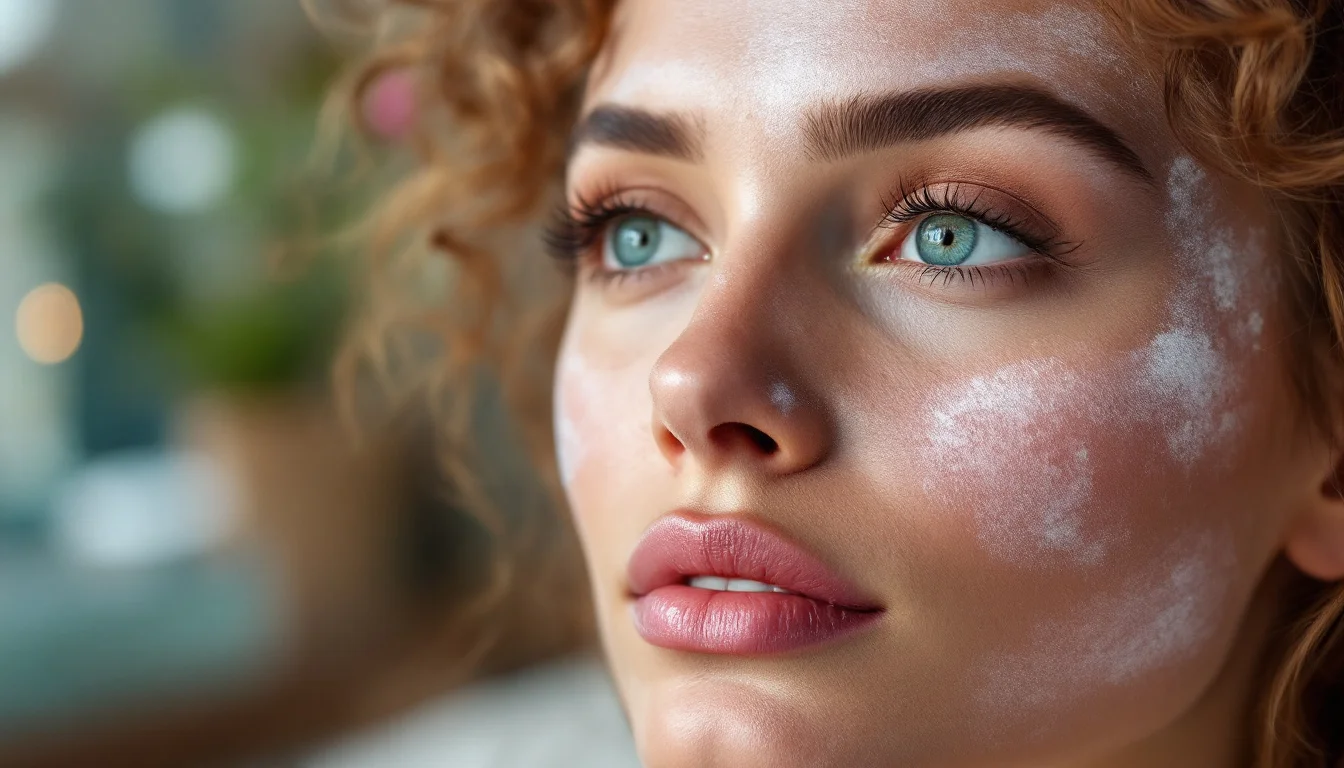
To achieve makeup that truly withstands heat and sweat, a trick adopted by professional makeup artists is to block moisture directly. According to Elle.ch in their article on pro techniques for resilient makeup, these experts apply a thin layer of antiperspirant. This practice is widely used when prepping models backstage at fashion shows and on outdoor film sets—environments where thermal stress is at its absolute peak.Application focuses on the facial areas most prone to sweating: the forehead, nose, chin, and around the nostrils. However, since conventional antiperspirants containing aluminum salts are not typically recommended for the face, this technique requires strict precautions—most notably, strictly avoiding the eye contour and mucous membranes. The product must be meticulously smoothed on before any other makeup step, over perfectly clean, dry skin.
The Theatrical Management of Light
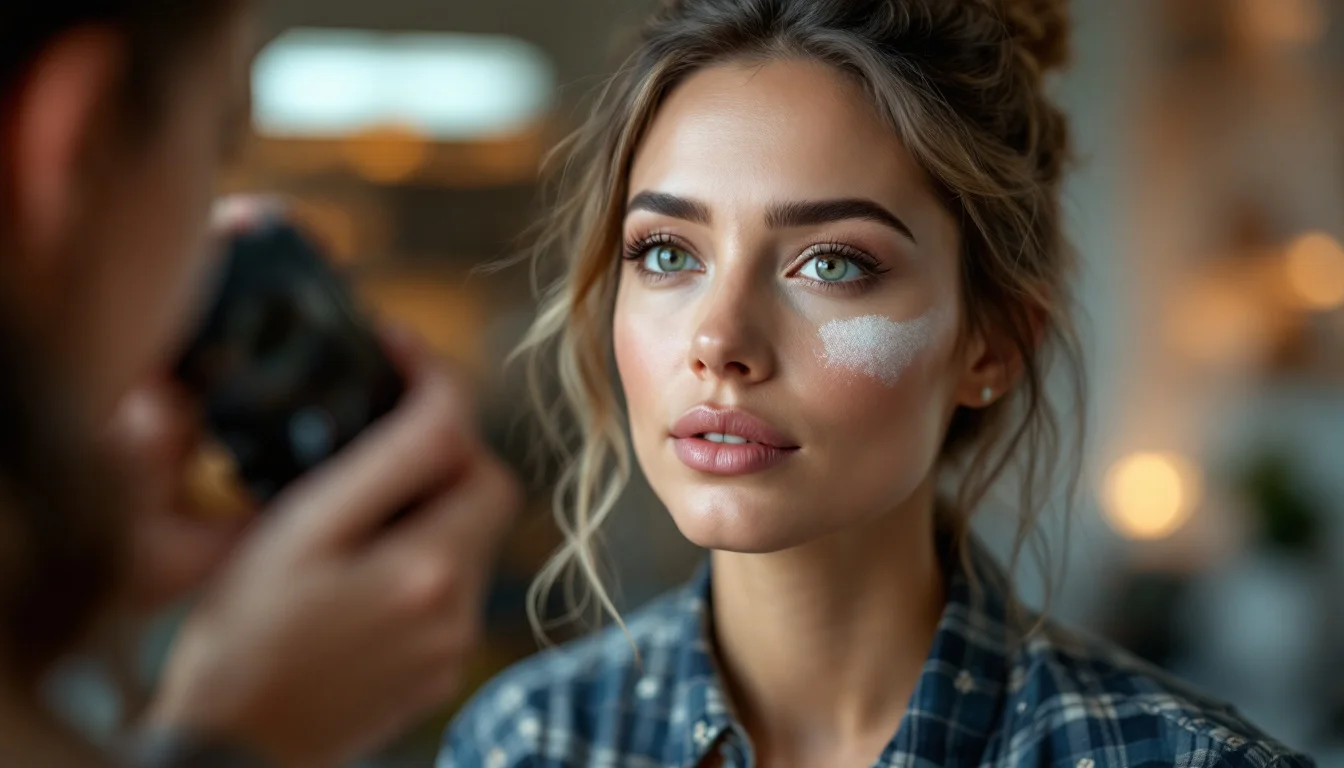
Once moisture is neutralized, the complexion's architecture must be adapted for the spotlights. The specialized site Danses avec la plume explains in its practical guide to stage makeup that theatrical looks must absolutely play on chiaroscuro (highlight and contour). The luminous power of a stage washes out natural facial contours, requiring artificial reconstruction of your features.This approach requires using two additional foundations alongside the performer's base shade. A lighter foundation must be applied to bring forward the areas most exposed to the spotlights, while a darker shade is used to artificially carve out the shadowed areas of the face. However, keep in mind the complexity of this step: it is a particularly demanding technique that should absolutely never be attempted for the first time on the day of the show.
Act II: How to Ensure the Chemical Anchoring of the Eyes
Once the complexion's overall architecture is secured against the heat, attention narrows to the eye area. This is where human body mechanics directly threaten the integrity of those dark powders: body heat accumulates in the crease of the eye, and repeated blinking continuously rubs against the pigments.
To prevent the smoky eye from breaking down, using an eyeshadow primer is highly recommended. According to the professional education platform Culture-formation.fr in their feature on smoky eyes, this preparatory primer is the key to ensuring makeup remains flawless all day or night. Its role is to provide a direct anchor on the particularly thin, mobile skin of the eyelid, binding the eyeshadows to the skin.
This base effectively prevents dark shadows from creasing and migrating under the influence of moisture and heat. Moreover, it amplifies the intensity of layered colors. Without this gripping interface, pigments struggle to catch theatrical lighting and fade quickly, rendering the subsequent blending steps completely useless over time.
Act III: What is the 3-Shadow Application Protocol for a Smoky Eye?
Building a smoldering gaze requires an extremely rigorous application methodology. Far from a simple wash of black, a true stage smoky eye relies on the strategic layering of multiple textures to create a seamless blend.
Basic Colorimetry and Budget Management
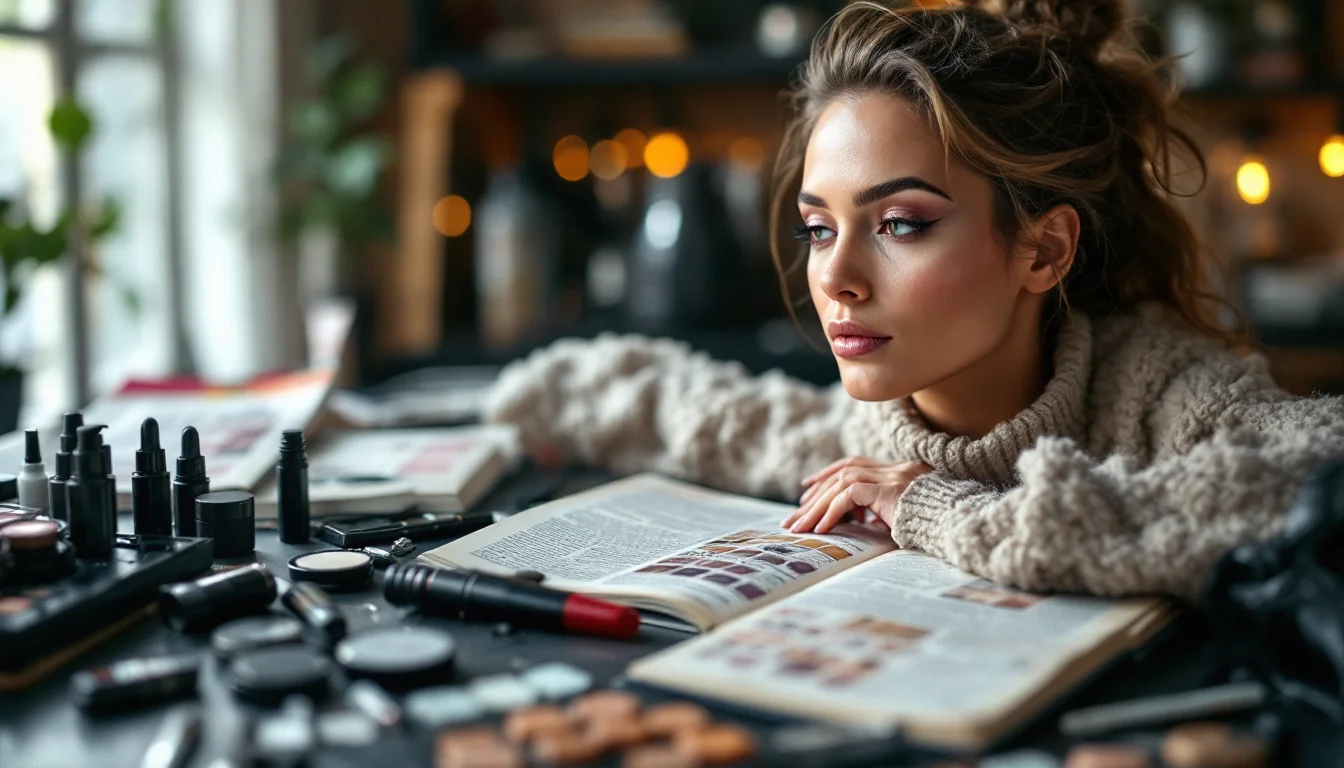
The fundamental rule is simple: a smoky eye strictly relies on three distinct eyeshadows. The first is a light shade, deployed to illuminate the eyes. The second is an intermediate shade, essential for creating a smooth transition into the skin. Finally, the third is a dark shade, whose sole mission is to intensify the depth of the eye.This pigment arsenal remains highly accessible for independent artists managing their own kits. As a rough guide, a suitable palette can be found for around ten euros. The effectiveness of the final result relies entirely on manual precision, rather than an exorbitant financial investment.
Blending Mechanics and Tools
This technical maneuver requires specific, non-interchangeable tools. Three brushes are particularly useful for the process. A flat brush is necessary to pack shadows evenly across the lid's surface. A blending brush is then used to diffuse the colors together and avoid harsh demarcation lines. Lastly, an angled brush is indispensable for working the outer corners of the eye and sharply defining the lash line.The geometry of the application follows a precise path. The dark shade must absolutely be placed in the crease and the outer corner. The motion involves drawing a "V" that follows the natural shape of the performer's eye. Once this dark anchor is set, the product must be thoroughly blended inward. This meticulous sweeping motion melts all the shades together, creating that signature smoked-out effect without the slightest visual break.
Act IV: How to Mechanically Seal the Final Look
The final step in this stage protocol involves locking down all the previously applied layers (both complexion and eyes). While the chemical and pigmentary steps ensure vibrant color, it is this final mechanical seal that guarantees the look's survival throughout a prolonged performance.
The Stage Powder Puff Method
Setting theatrical makeup requires a very specific gesture. Stage setting is done by pressing a powder puff across the entire face. This tapping motion physically presses the loose powder into the underlying cream formulations, creating a dense, locking mesh.Focus should be on the parts of the face most likely to shine under the spotlights: the infamous T-zone (forehead and nose), followed by the chin. Once the powder is pressed in, it is imperative to sweep away any excess, unabsorbed product with a soft, large, and flat brush, to avoid leaving a dusty finish under the harsh lights.
Long-Wear Claims
For the finishing touch, manufacturers formulate products with increasingly longer-lasting wear. According to the brand Wet n Wild (sold on the Belgian retailer site Di), its 5-in-1 primer powder can be used at the beginning and end of the makeup routine, keeping makeup in place for up to 16 hours. Note, however, that this is the brand's commercial claim. Such promises still require pairing with manual setting techniques for optimal security.The Stage Setting Arsenal
The table below summarizes the chronology of setting tools:| Product or Technique | Mechanism of Action on the Skin | Chronological Application Time |
|---|---|---|
| Antiperspirant | Temporarily blocks sweat glands | Before makeup, on the T-zone and chin (away from eyes) |
| Eyeshadow Primer | Prevents creasing and anchors intense pigments | Before applying the three smoky eye shadows |
| Puff Powdering | Mechanically seals fluids by pressing the product into the skin | Final finishing step, followed by dusting off excess |
FAQ: Managing Finishes and Unforeseen Issues
How to avoid a powdery effect under stage lights?
Once powder is pressed in with a puff to set the stage makeup, it is essential not to leave any excess product. You must absolutely dust off the unabsorbed surplus using a soft, large, and flat brush.Should I test the chiaroscuro technique on the day of the show?
No. Artificially reconstructing facial features by playing with multiple foundations is a particularly demanding method used to compensate for the visual flattening caused by spotlights. It is strongly advised against trying this for the first time on the day of your performance.Conclusion: Beyond Makeup, Skin Recovery
The creation of a durable stage smoky eye relies on a succession of chemical blocking and mechanical sealing steps. While the use of antiperspirant, gripping primers, and heavily pressed powders contributes to long wear under intense lights, these methods subject the epidermis to severe occlusion. At the end of the performance, the main challenge shifts from cosmetics to dermatology: the immediate restoration of the skin barrier. Rigorous makeup removal, often using a bi-phase formula to dissolve fatty substances and lipophilic pigments, becomes an absolutely indispensable step to preserve the skin's health before your next stage appearance.