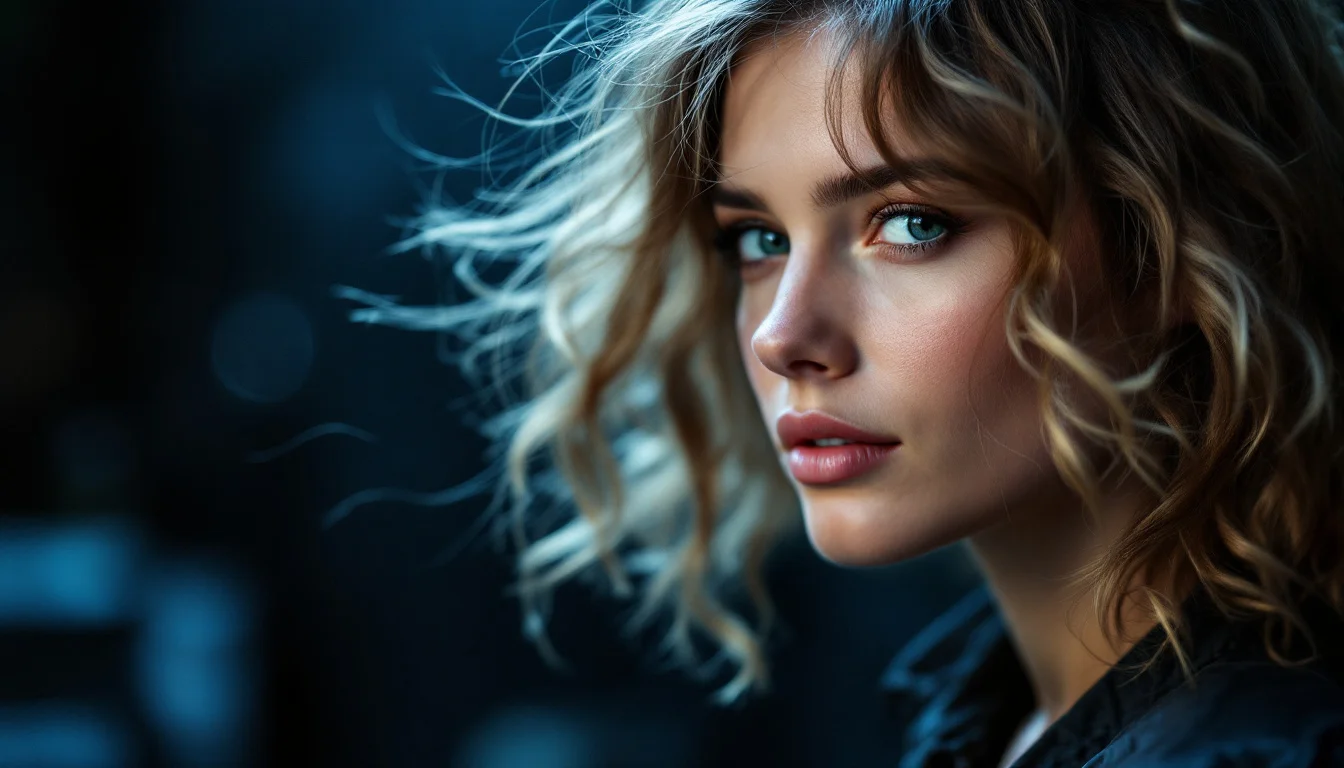
Stage Lights: The Protocol

For stage performers, scalp health management is no longer just about cosmetic cleansing. In the world of intensive touring, it has become an essential part of occupational hygiene. Professionals operate daily in extreme environments that the public rarely sees. The focus is shifting from the pure aesthetics of the hair lengths to the preservation of the roots. Under intense lighting, artists perform in a hot, humid microclimate that encourages maceration. This environment is shaped by fluctuating temperatures, heavy costumes, and a rapid buildup of bodily and chemical residues. The physical exertion, combined with the pressure of live performances, can compromise the scalp's epidermis in the course of a single show. For anyone preparing for a major musical or theatrical event, understanding these invisible dynamics is essential. This guide explores technical methods to help maintain a healthy scalp ecosystem.
Key Takeaways
Here are the fundamental strategies to protect the scalp from the climatic and physical demands of a stage performance:
- Preventative Mineral Shield: Applying a mineral-based dry shampoo before hitting the stage creates a powdery buffer that absorbs sweat the moment pores open.
- Immediate Salt Rinse: Washing away sweat crystals right after the show reduces the risk of cuticle damage overnight.
- Physical Protection: Silk barriers worn under hairpieces provide physical shade to protect exposed areas of the scalp.
- Tension Relief: Rotating daily hairstyles and anchor points helps prevent the onset of traction alopecia.
The Thermal Paradox of the Stage: Why Your Scalp Still Suffers
The entertainment industry has widely adopted new lighting technologies, significantly altering the physical environment for performers. "Warm white" LED light is typically defined by a color temperature between 2700 K and 3500 K. Modern LED fixtures generally allow this color temperature to be adjusted electronically to achieve the desired mood. Furthermore, to prevent on-camera flickering, the use of high-frequency PWM fixtures (typically 1200 Hz, 4000 Hz, or higher) is highly recommended.
The Myth of the Cold Stage
These LED lights faithfully replicate the warm glow of traditional halogen or tungsten lamps without generating excessive heat within the light beam itself. Yet, the scalps of musicians and dancers still endure high perceived temperatures. This thermal paradox can be explained by the combination of live environmental factors. While the lamps themselves may run cooler, the density of the equipment, the intensity of adrenaline-fueled physical exertion, and the burden of heavy stage costumes confine the scalp in an enclosed space that practically guarantees massive sweating.
Stage Environment and Oxidative Stress
This microclimate conceals other challenges. Unlike older halogen light sources, modern LED stage lights emit only a negligible amount of ultraviolet radiation, thereby limiting that specific type of scalp exposure. However, the overall theatrical environment exacerbates the situation, as air quality is often compromised. Vitamin E is sometimes touted as a useful antioxidant defense against the dullness caused by free radicals generated from smoke machines and recycled air, night after night.
Mechanical Stress and Occlusion: Managing Hairstyles and Hairpieces
The visual demands of a concert or theatrical play frequently require the use of extensions, tightly pulled hairstyles, or heavy hairpieces. These elements exert constant mechanical force on the roots, threatening the viability of the follicles.
Preventing Follicular Damage
Wearing the same hairstyle night after night creates a localized point of vulnerability. Alternating the anchor point of a ponytail daily is considered an essential preventative measure against traction alopecia. This dermatological condition is directly linked to repeated tension on the same areas (such as the hairline or temples), which can lead to permanent hair loss if the pressure isn't alleviated.
The Silk Screen Under Wigs
When a production requires full hairpieces, the scalp undergoes an occlusion phenomenon. Wide silk headbands, worn directly under a wig cap, can provide physical shade over parts and exposed areas of the scalp. This textile barrier serves a dual purpose: it minimizes irritation caused by the friction of the netting while helping to reduce the direct light exposure that penetrates the cap's mesh.
Intervention Timeline
Preserving the scalp's epidermis during a tour requires a methodical approach. Here are pragmatic steps, inspired by professional industry recommendations.
1. Pre-Stage / Dressing Room: The Mineral Powder Buffer
Protection begins right in the dressing room. A mineral-based dry shampoo, meticulously applied to the scalp before finalizing the hairstyle, creates a highly effective powdery buffer. This absorbent layer is designed to capture sweat as soon as the pores open during the very first song. This preventative action stops the saline fluid from immediately weighing down the roots or compromising the style's hold.
2. Intermission / Mid-Show: Tactical Drying
Costume changes often last only a few fleeting moments, making any washing impossible. When a mid-show touch-up is necessary, adding extra heat is strictly off-limits. A short blast of cold air, targeted exclusively at the crown of the head, evaporates built-up moisture. This quick technique offers a dual advantage: it cools the skin and reactivates the styling product's polymers without introducing additional thermal stress.
3. Post-Performance: The Emergency Rinse
Waiting until you're back at your accommodation to wash your hair is ill-advised. After a performance, it's highly recommended to rinse the roots with lukewarm water and a gentle cleanser as soon as the costume comes off. Skipping this step leaves behind salt residues from heavy sweating, which can lead to unwanted odors and rough hair cuticles overnight. Washing should always precede any rest phase.
4. Day Off: The Weekly Reset
Sustaining such high performance levels requires a deep-cleaning routine at the end of the work cycle. Applying a clarifying shampoo every Sunday effectively dissolves stubborn layers of hairspray residue. This thorough wash should then be followed by a rich, repairing mask to counteract the drying effects of the alcohol found in aerosol products.
Soothing the Ecosystem: Friction, Brushing, and Serums
Between adrenaline rushes and routine washes, the scalp's cutaneous ecosystem can become inflamed. The mechanical friction of accessories and prolonged occlusion require targeted soothing treatments between show dates.
Neutralizing Discomfort Under Headpieces
Musicians wearing bulky in-ear monitors or dancers in helmets experience a particularly high level of trapped sweat. In cases of locked-in moisture, applying a tea tree scalp serum mid-week is recommended. Tea tree essential oil (Melaleuca alternifolia) is renowned for its purifying properties, though its potential as a skin allergen must be considered; when applied in a diluted formula directly to the scalp, it can help soothe itchiness without requiring an extra wash that might weaken the hydrolipidic barrier.
Optimizing Friction Tools
Soothing the scalp also involves a strict review of the daily tools used by stylists. Brushing over sweat-compromised skin can cause invisible micro-lesions. It's advisable to use boar bristle brushes to distribute natural oils down the hair shaft while minimizing excessive friction on an already stressed epidermis.
FAQ: Hot Tools, Touring Rest, and Treatment Limits
What is the maximum heat setting for styling irons to avoid root damage?
Using direct heat in close proximity to the skin requires strict discipline. It is recommended to adjust the temperature according to hair type—often between 130°C and 160°C for fine or fragile hair—and to never exceed 190°C in order to limit cumulative structural damage. This upper limit should only be reached if the hair's specific texture absolutely requires more energy to style, and each pass of the iron must always be paired with a heat protectant spray.
How should you sleep after a show to prevent nighttime scalp friction?
Nighttime rest should preserve the stylist's work from the day before while also giving the roots a break. It's recommended to sleep with your hair tied up in a "pineapple" (a very loose, high bun). Pairing this tension-free updo with a silk pillowcase is a great way to maintain curl definition between performances while significantly reducing abrasion.
Bleeding, patches, or scabs after a tight hairstyle: what should I do?
These symptoms go far beyond the scope of professional cosmetic hygiene. The recommendations in this guide are based on field experience and preventative care. If you experience persistent itching, localized hair loss, or skin lesions, a consultation with a dermatologist is absolutely essential to rule out scarring alopecia or inflammatory dermatitis.
Conclusion: From Aesthetics to Longevity
Treating the scalp as a functional organ—one that is continually exposed to the climatic and mechanical conditions of the stage—is a long-term preventative approach. At a time when visual demands are intensifying, mastering the management of oxidative stress, mechanical tension, and moisture is what separates amateur routines from sustainable, professional preparations. Performers would do well to integrate this level of occupational hygiene into their technical requirements.
---
The information contained in this article does not replace medical advice. Please consult your doctor or a qualified healthcare professional.